History of the Water System

The earliest water sources in the City of Grand Rapids came from large, natural springs on the city’s hillsides. It was said that residents could dig just a few feet into the ground to find fresh water. As the city grew, however, these natural springs became unsustainable in meeting increasing water demands.
To address this challenge, a group of private investors established the Grand Rapids Hydraulic Company (GRHC) in 1848. After a series of disastrous fires and ongoing water quality concerns, city officials began discussing the need for a municipally owned water system. This led to a citywide vote on July 20, 1873, when 96% of Grand Rapids voters approved the use of $250,000 (equivalent to $6.3 million in 2023) to establish a publicly owned Water System.
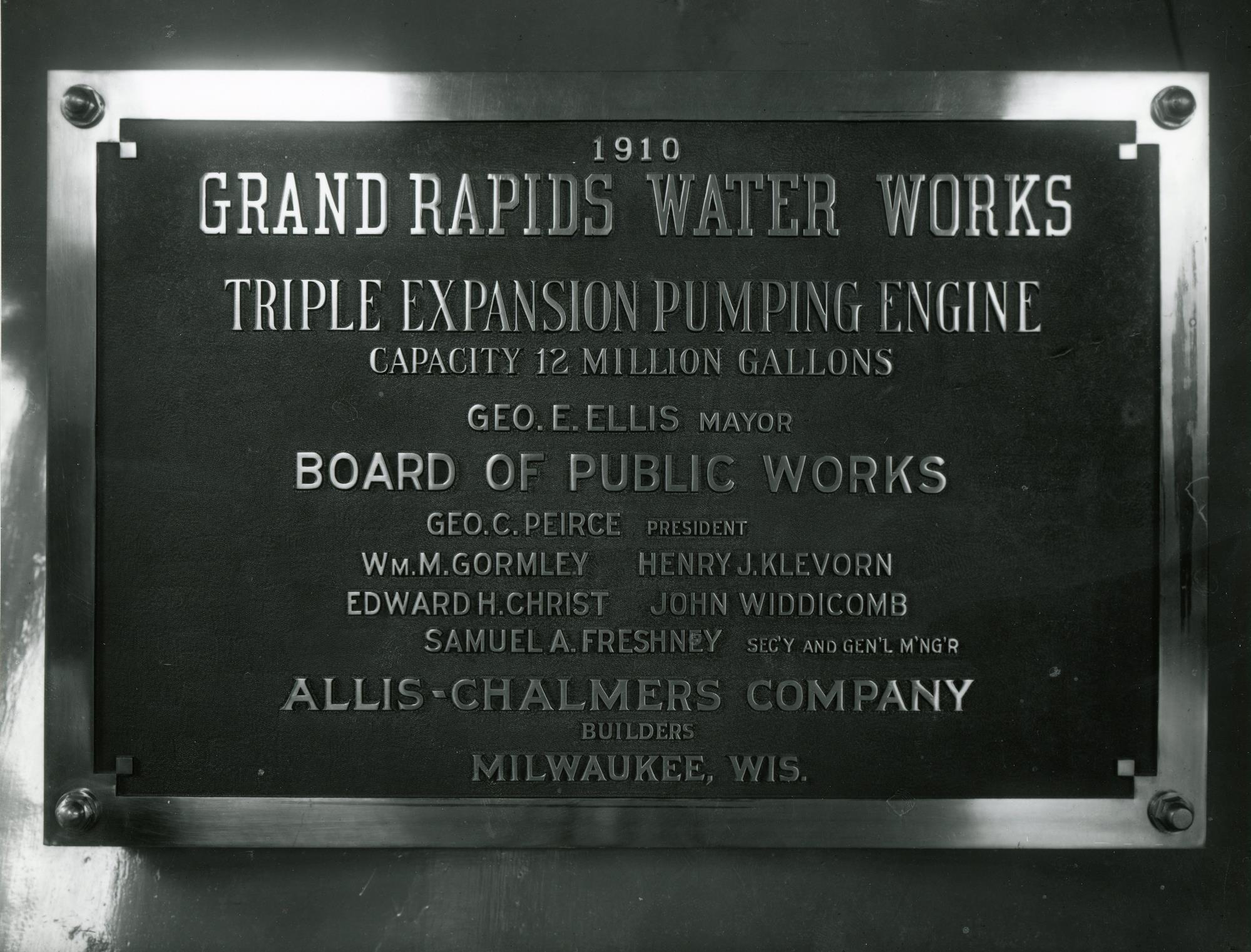
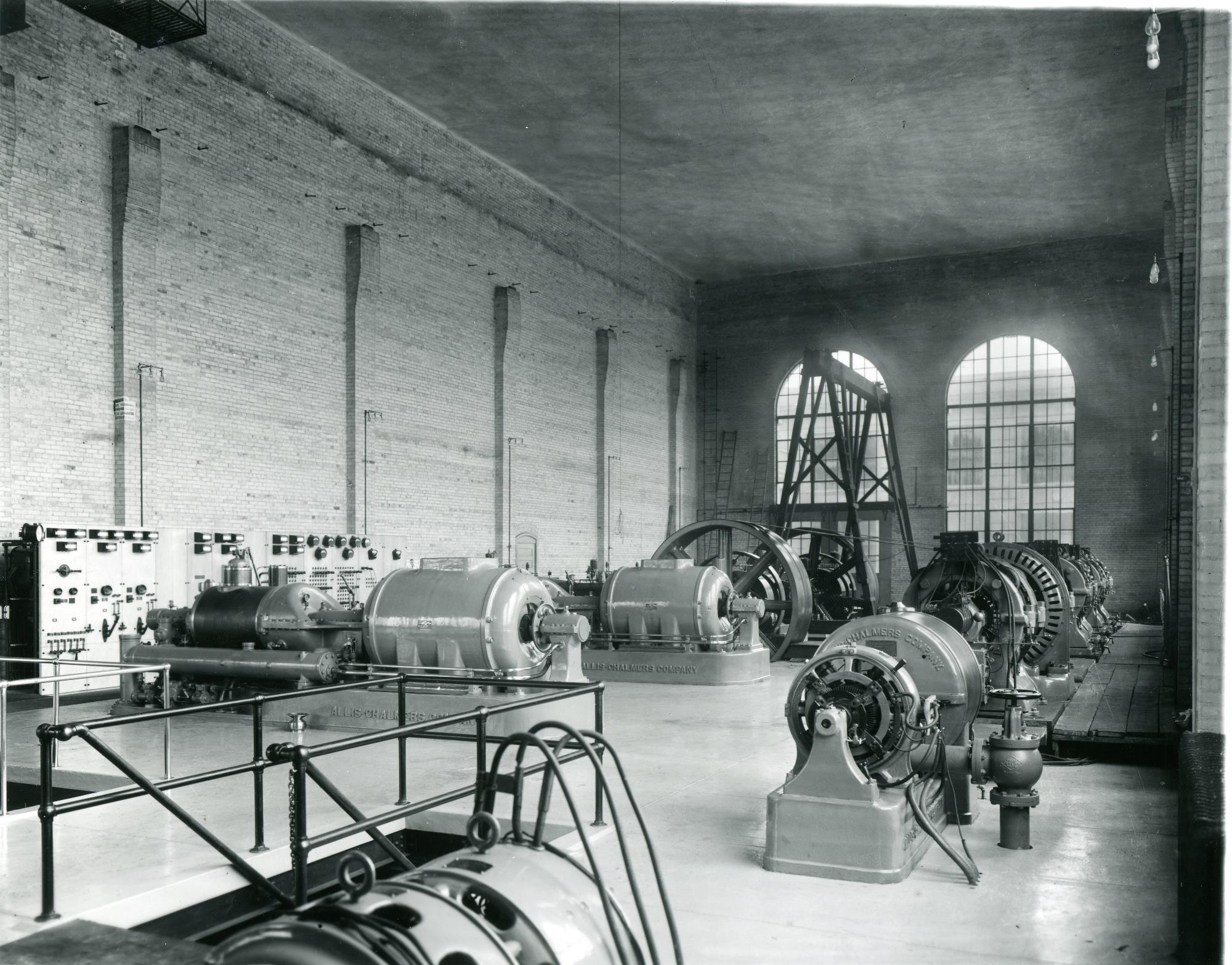
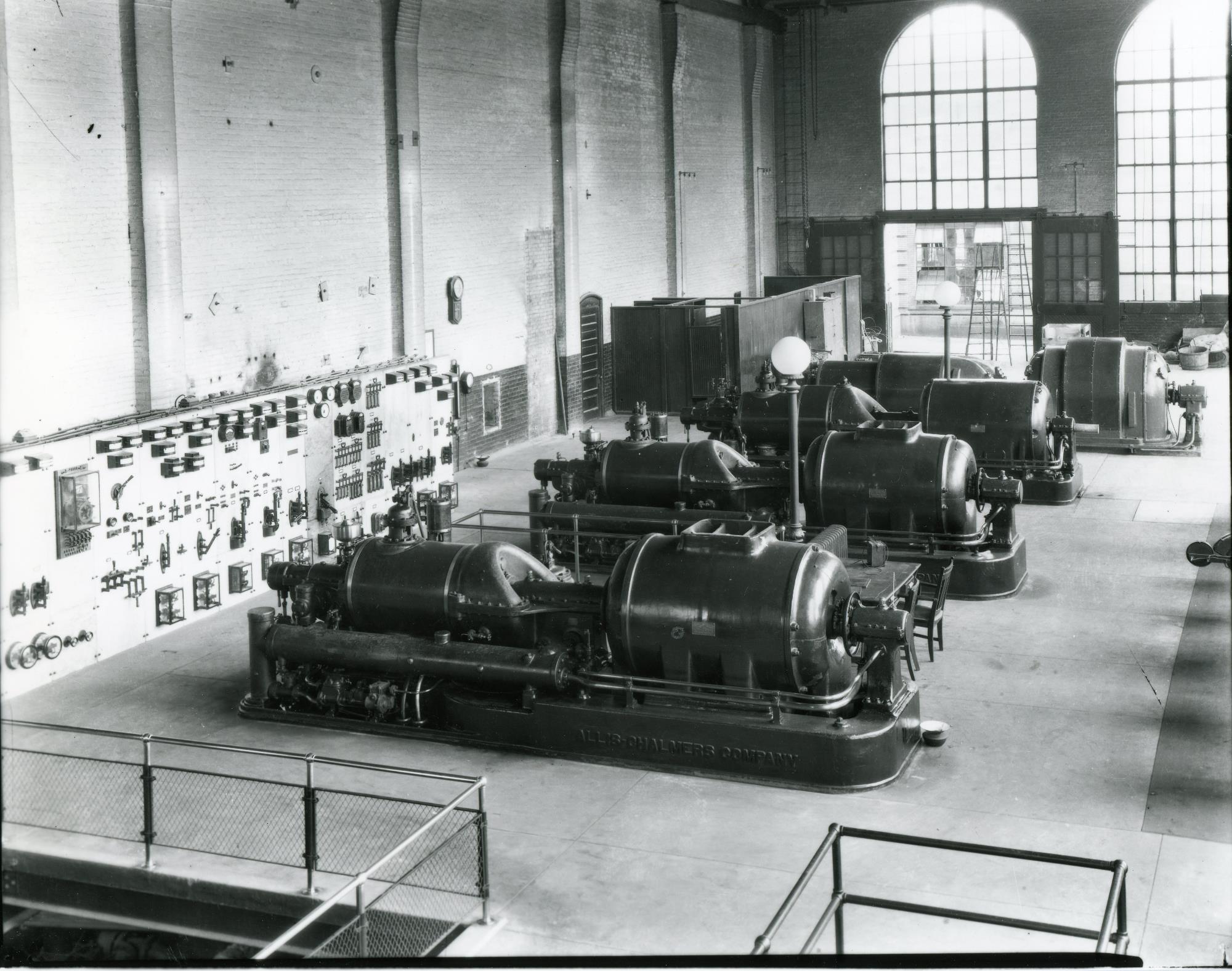
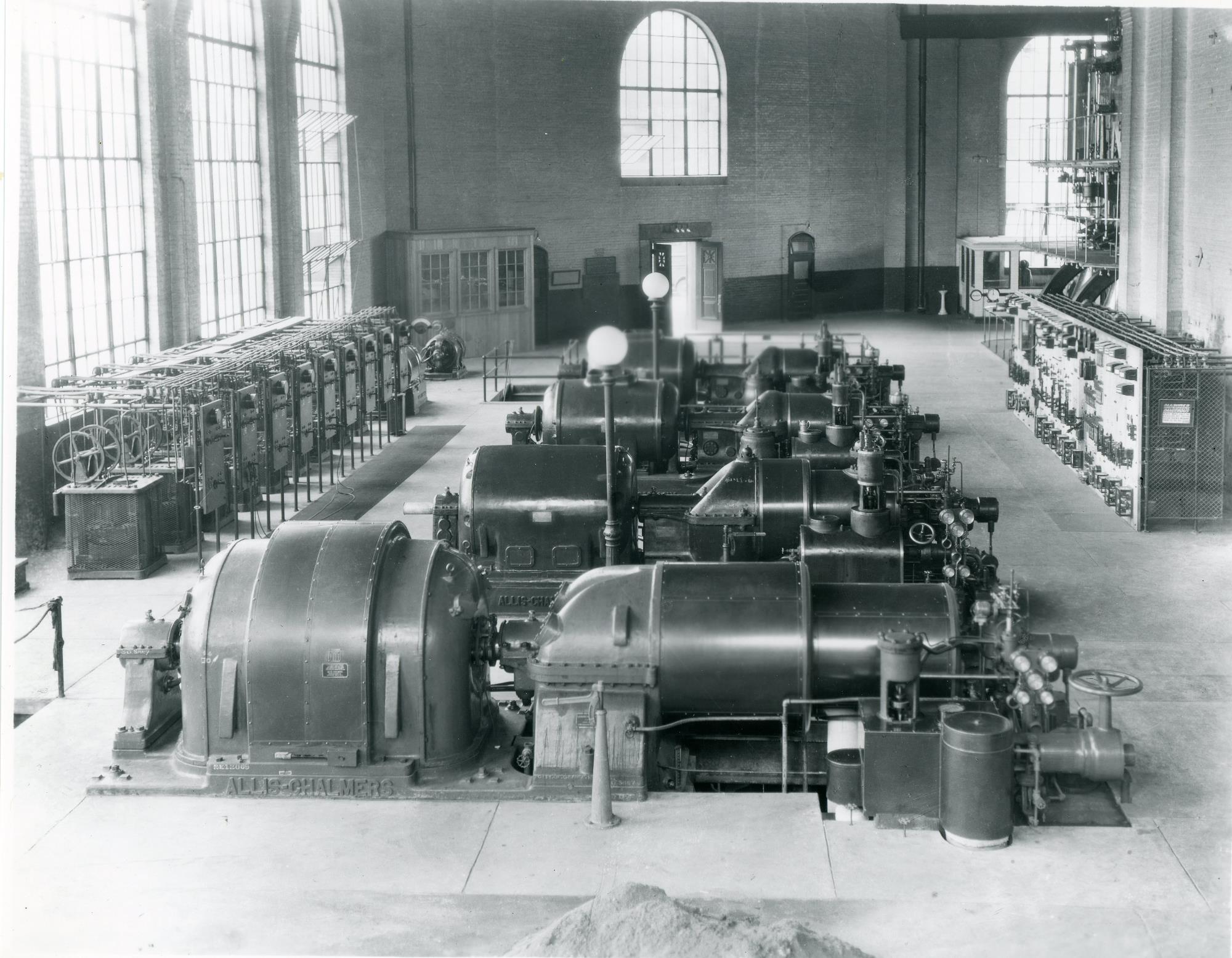
The vision shown by community leaders and residents in 1873 laid the foundation for securing the city’s long-term water supply. The GRHC was ultimately dissolved by the Michigan Supreme Court in 1908, allowing the City of Grand Rapids to assume full ownership and control of its assets and emerge as the community’s sole water provider. As the city continued to grow, it embarked on a series of transformative advancements in water management.
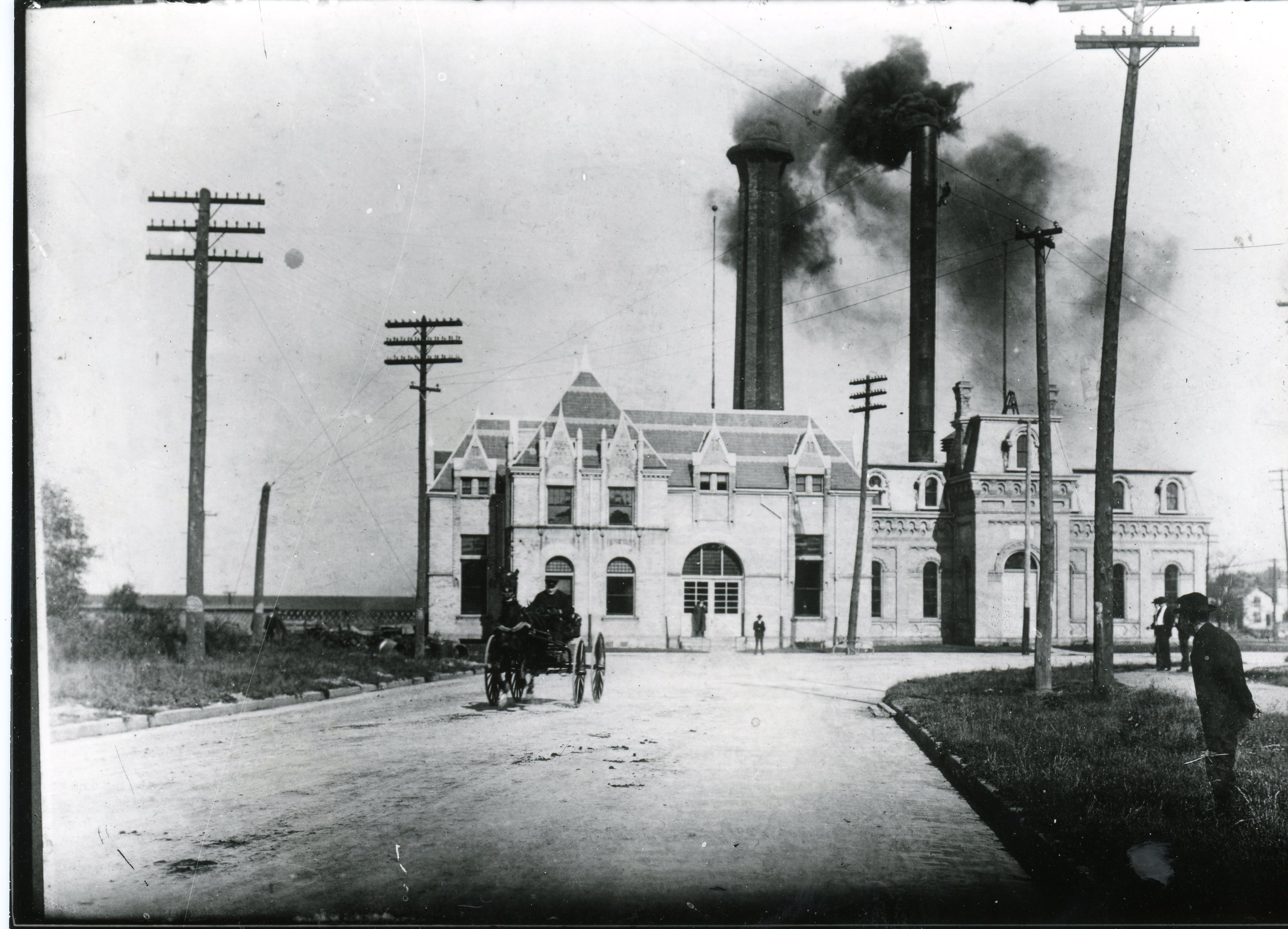
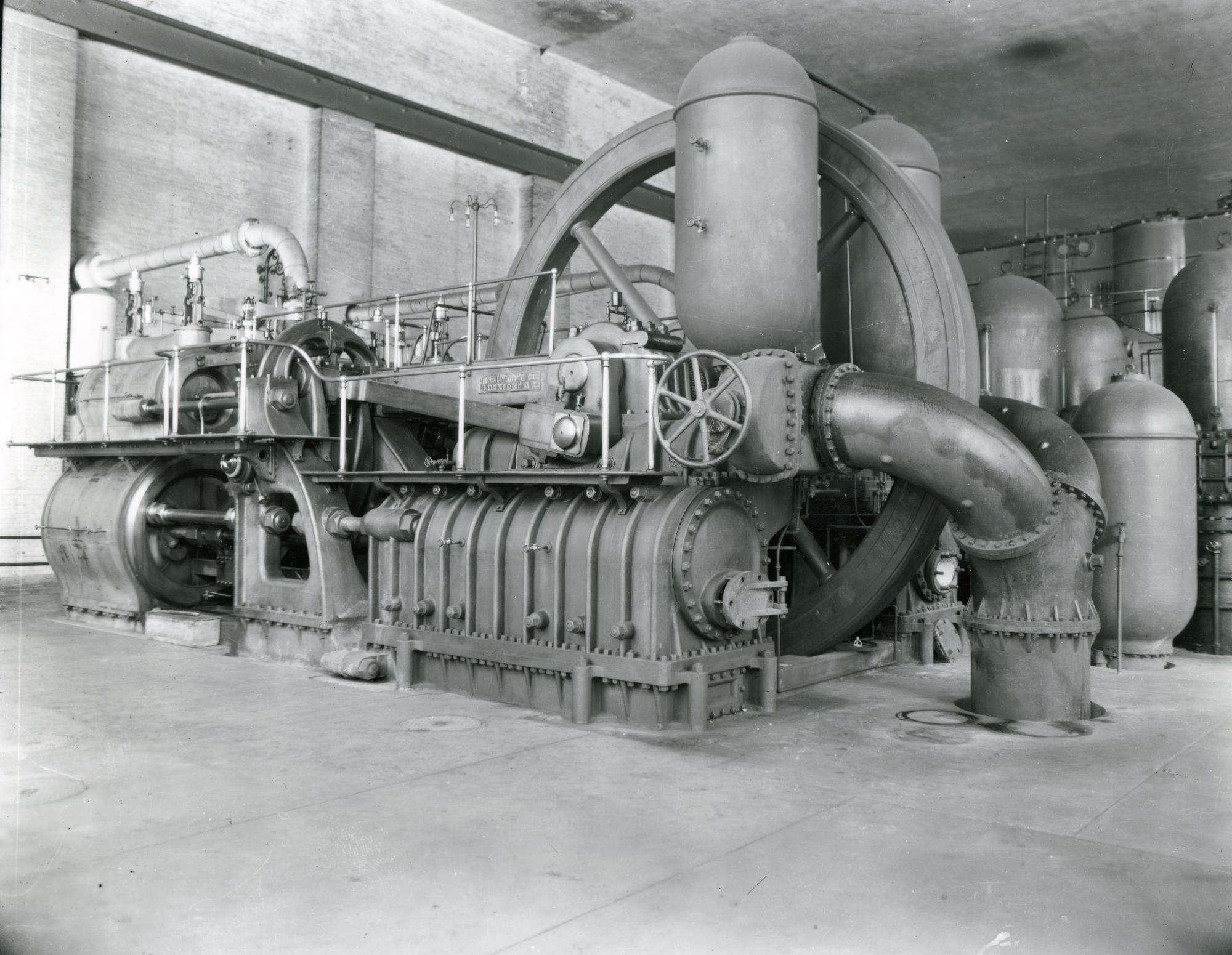
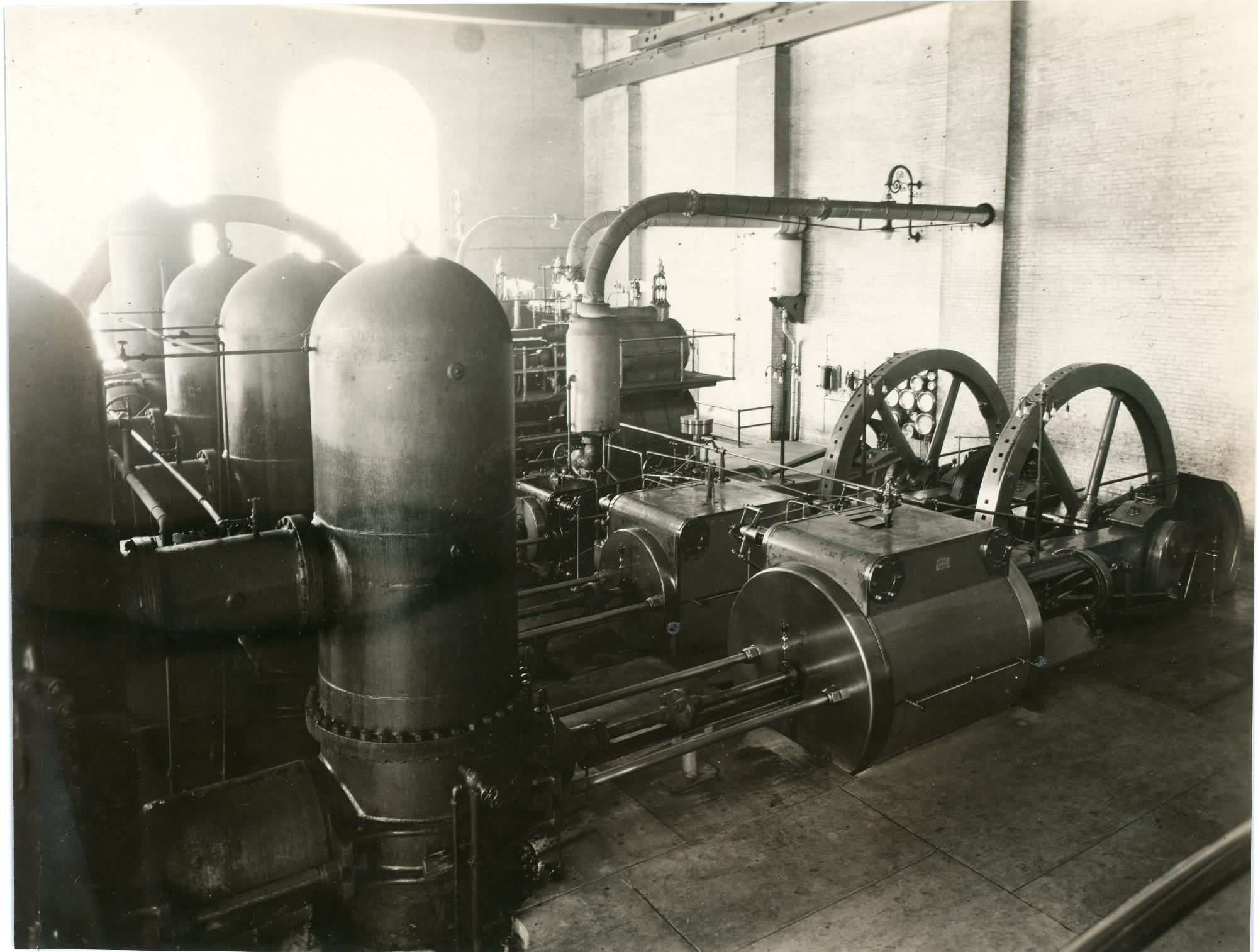
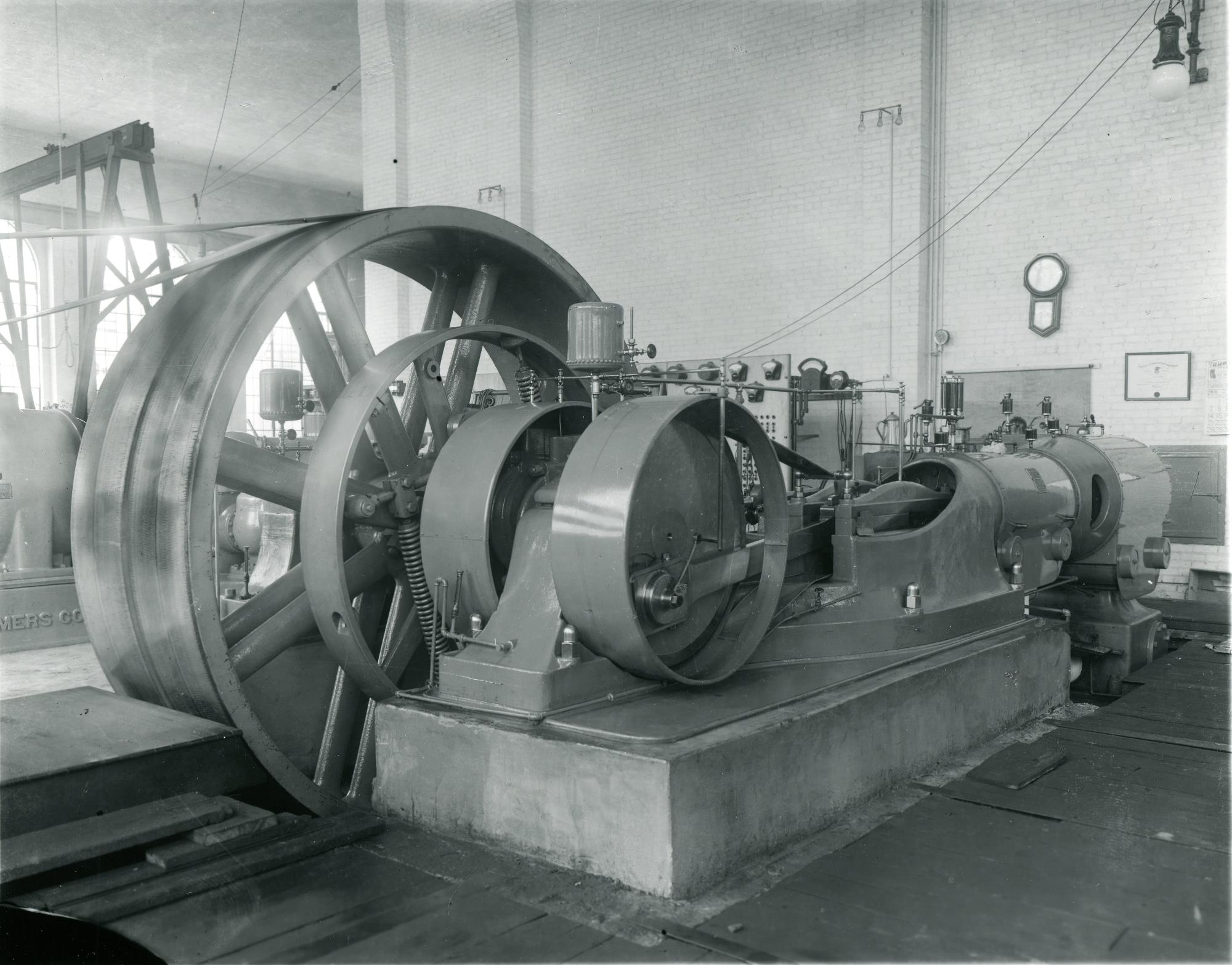
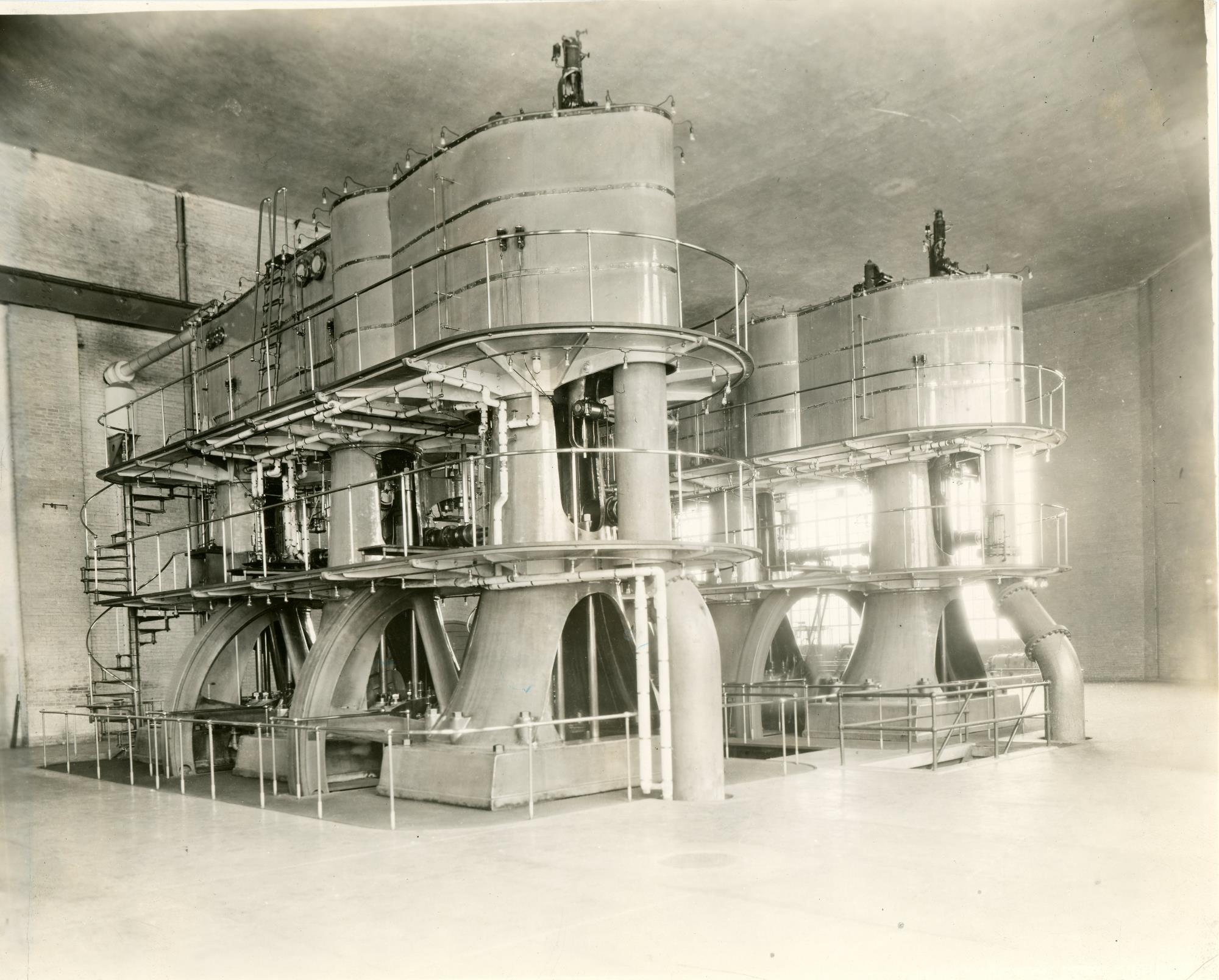
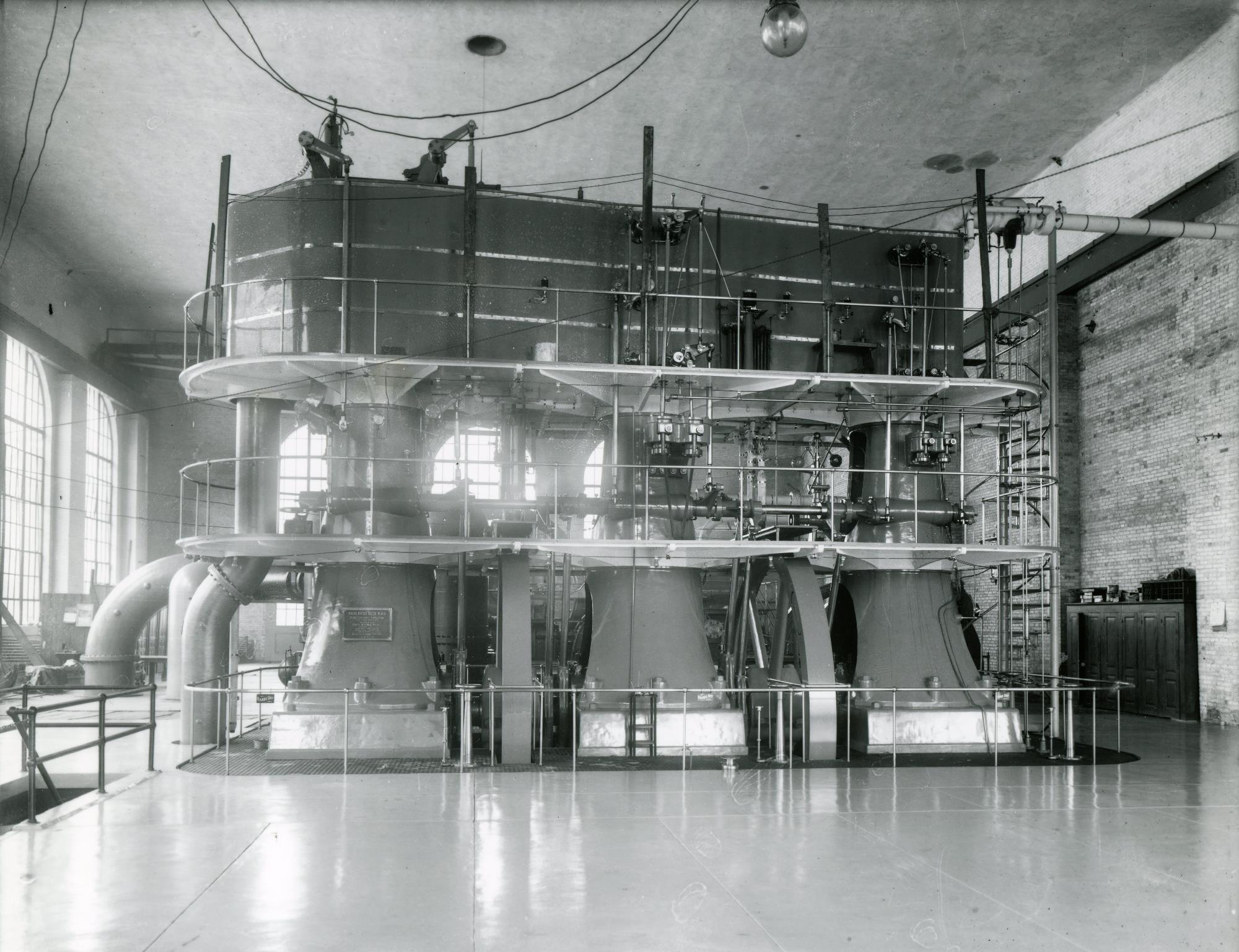
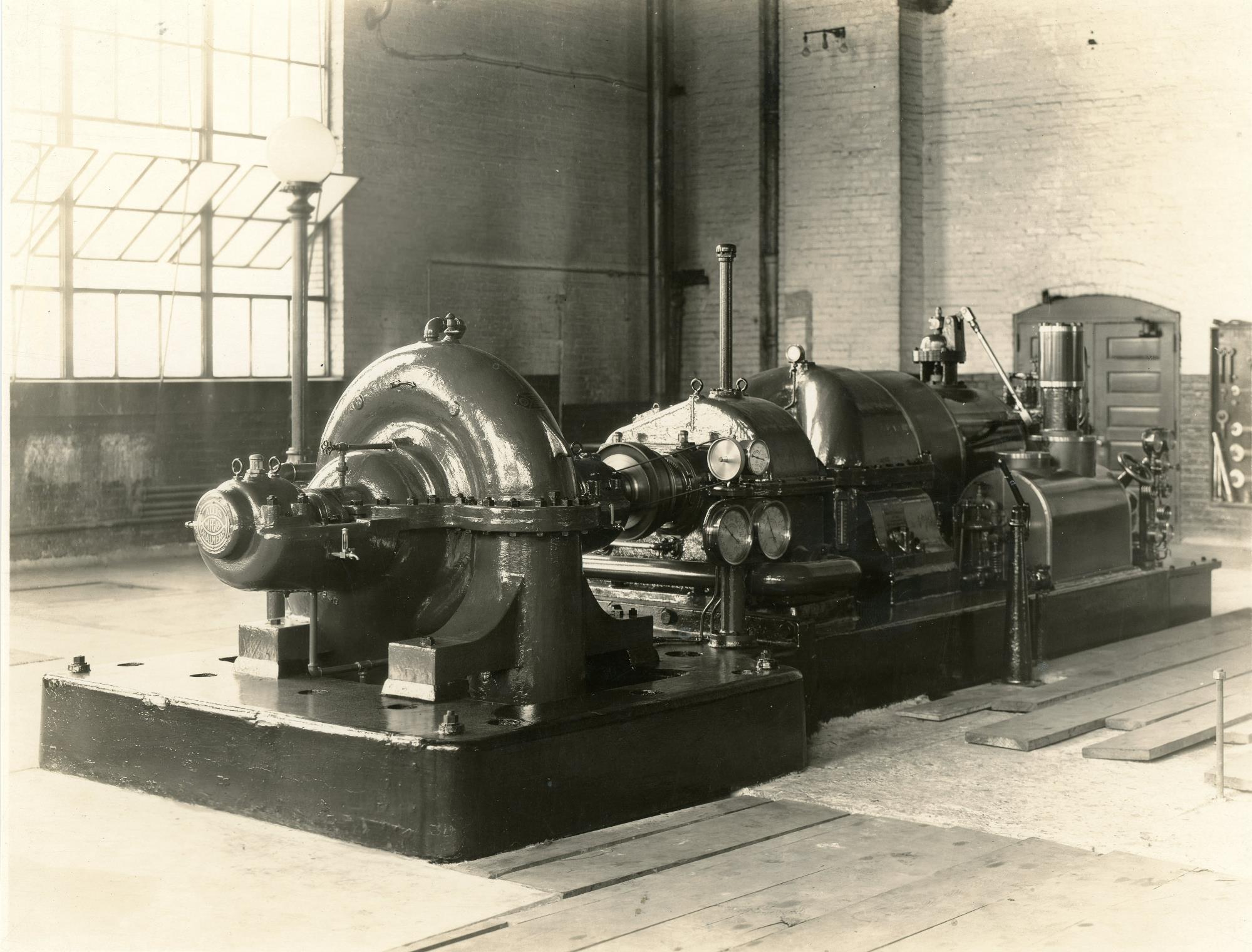
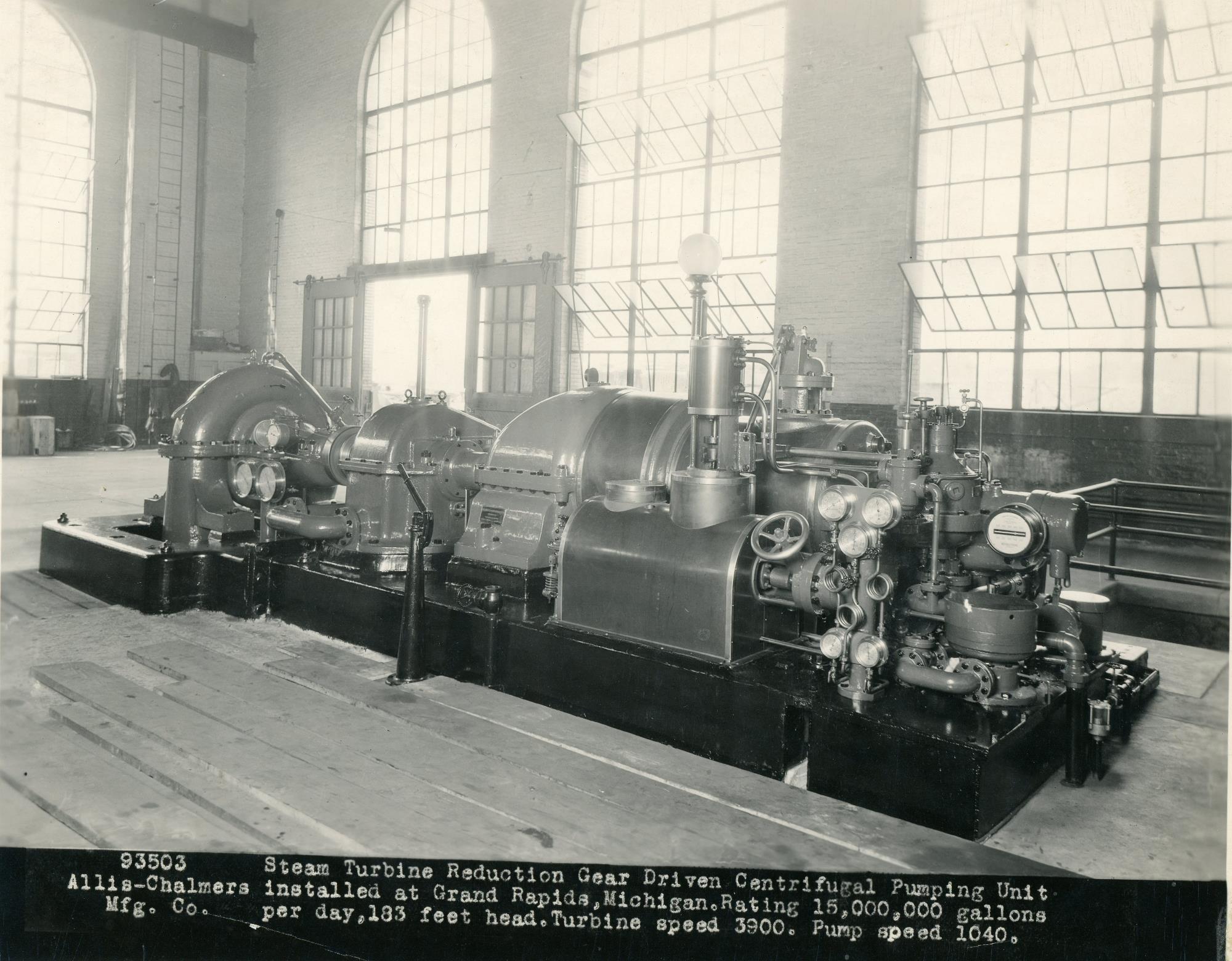
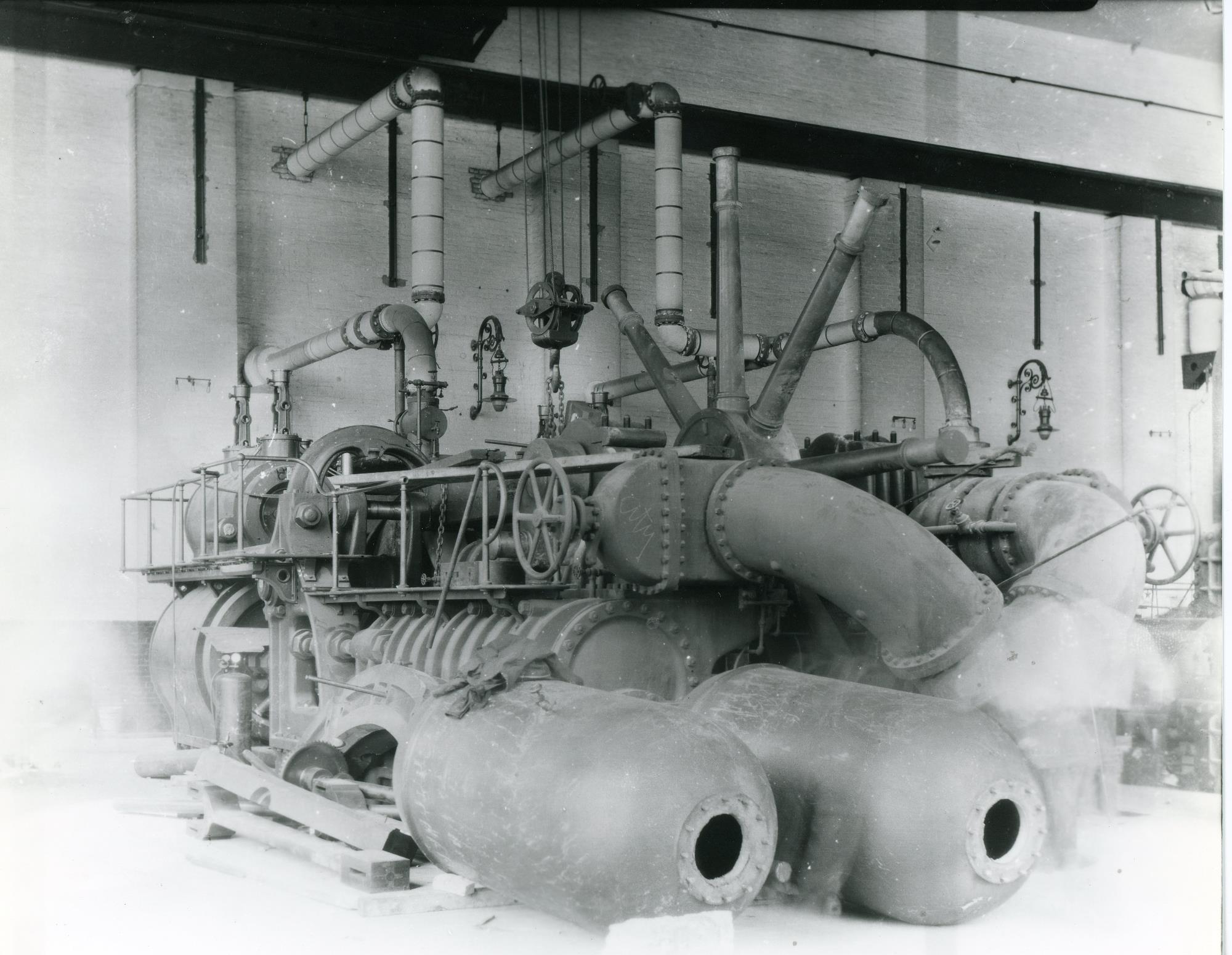
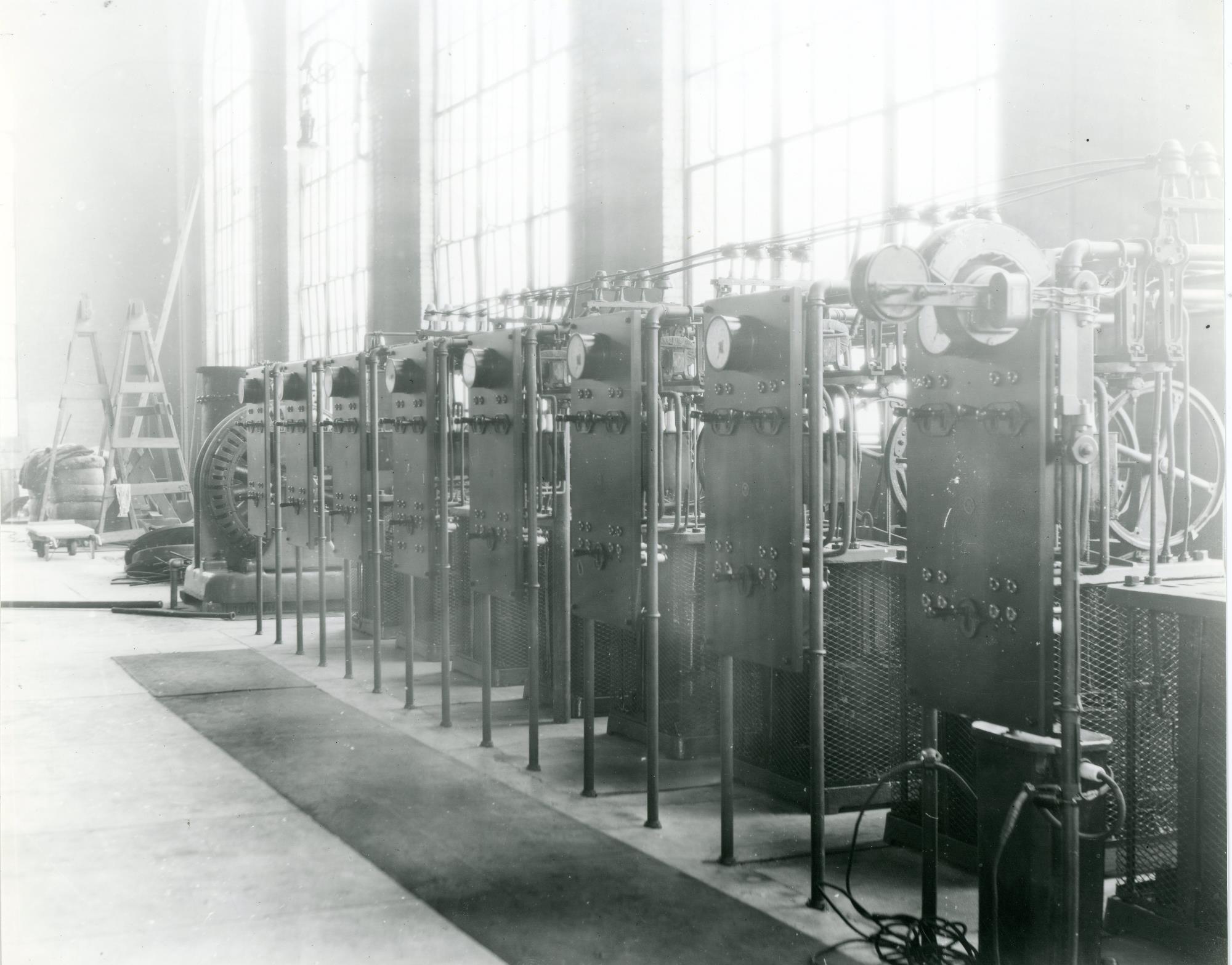
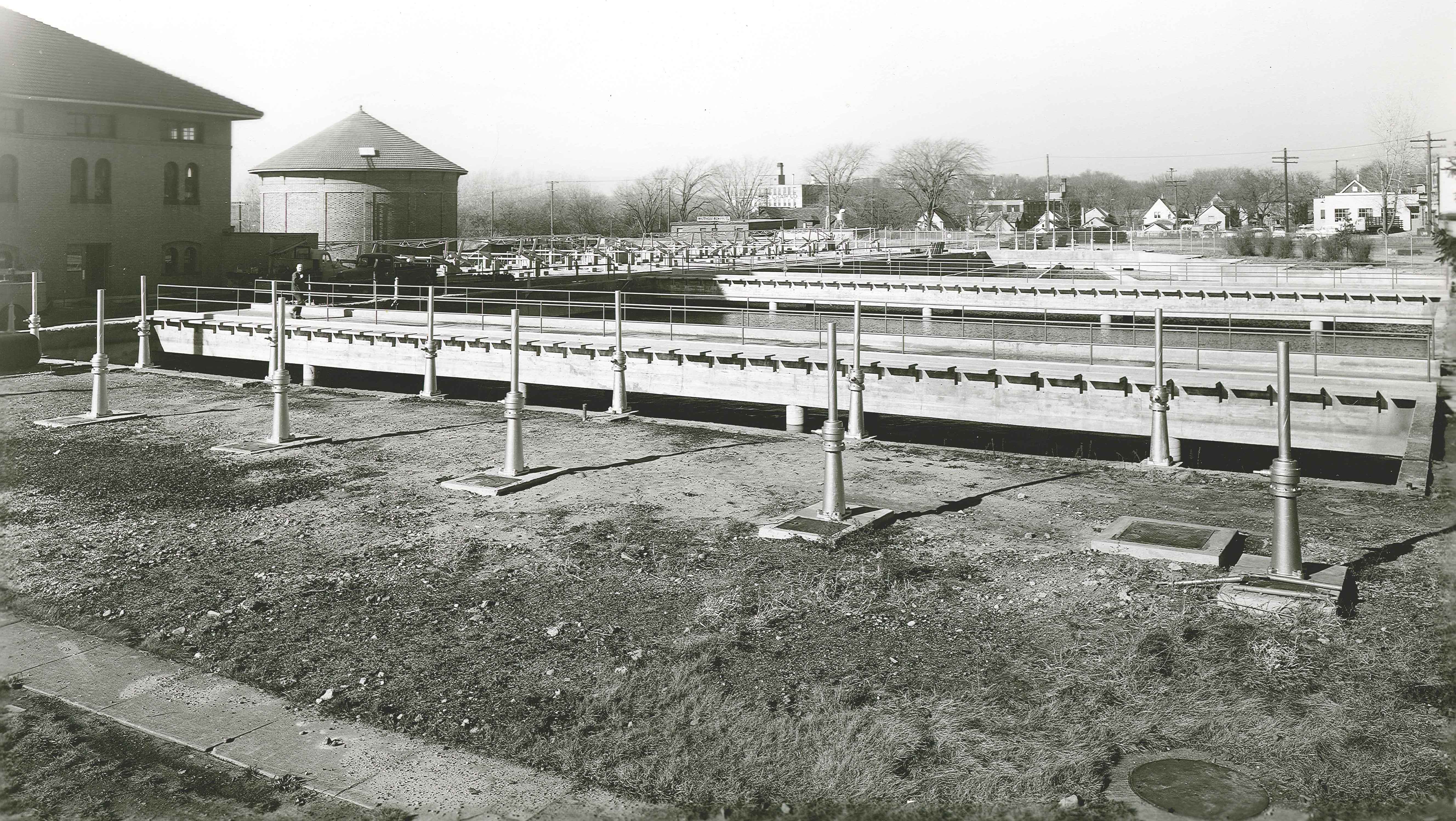
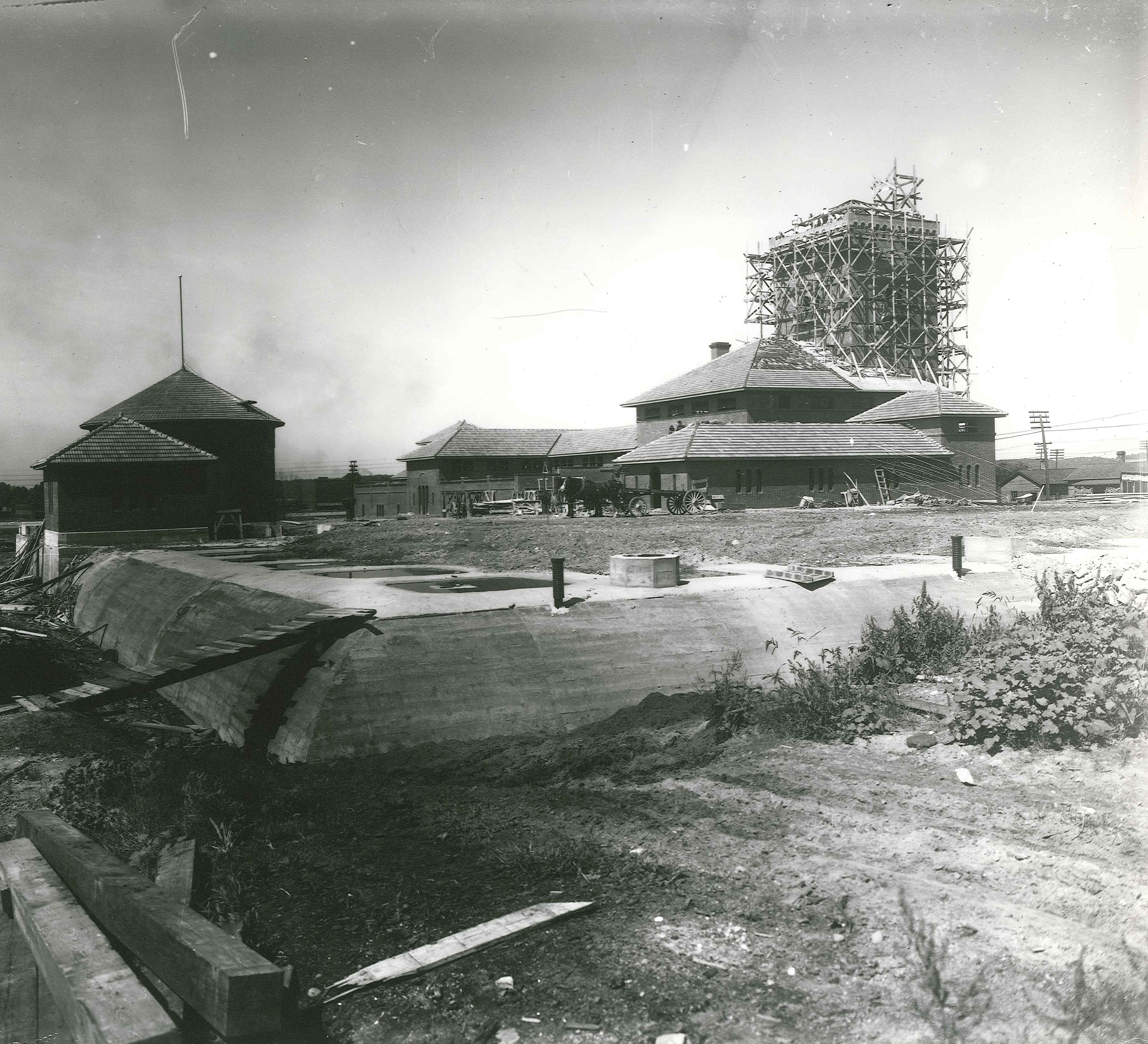
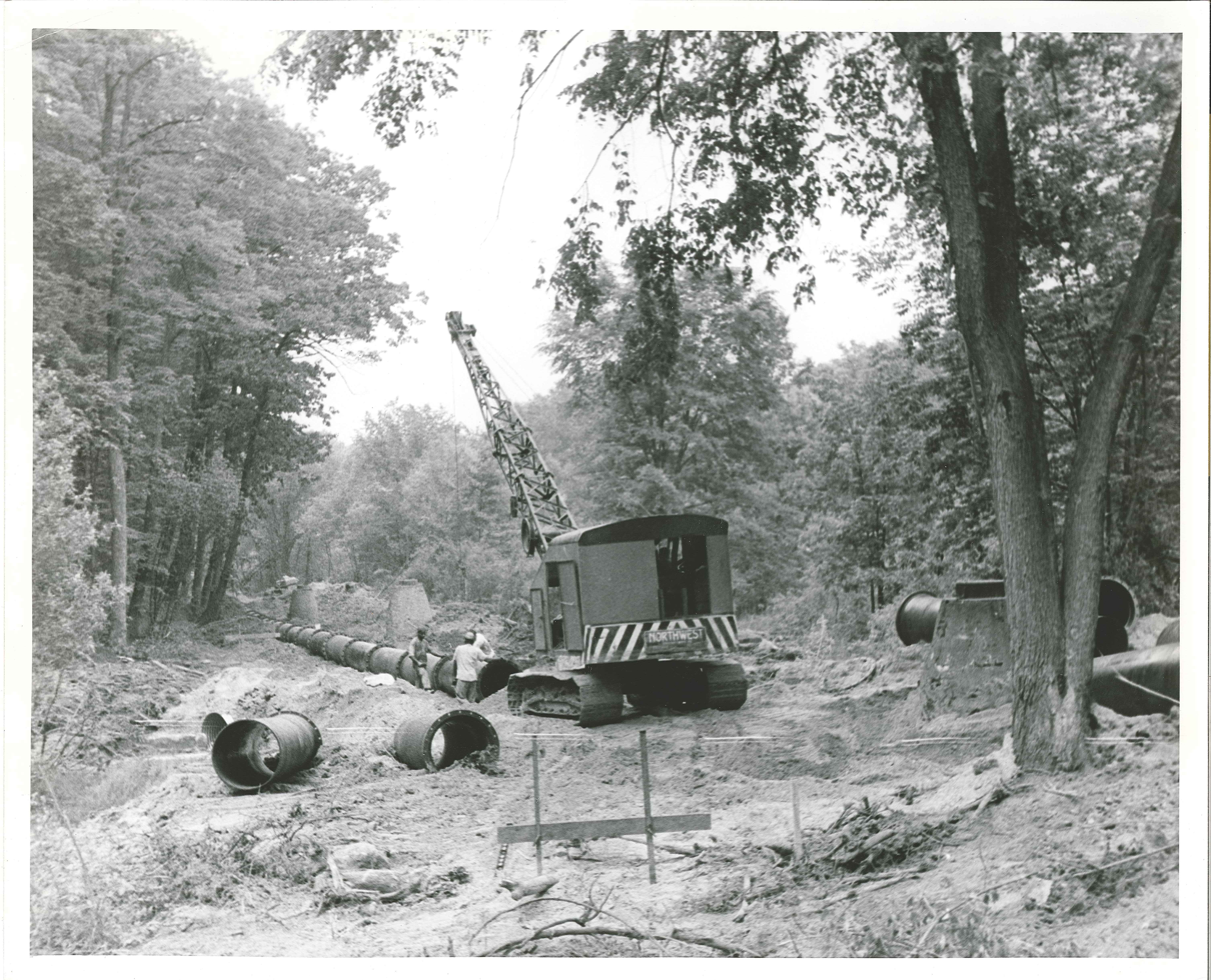
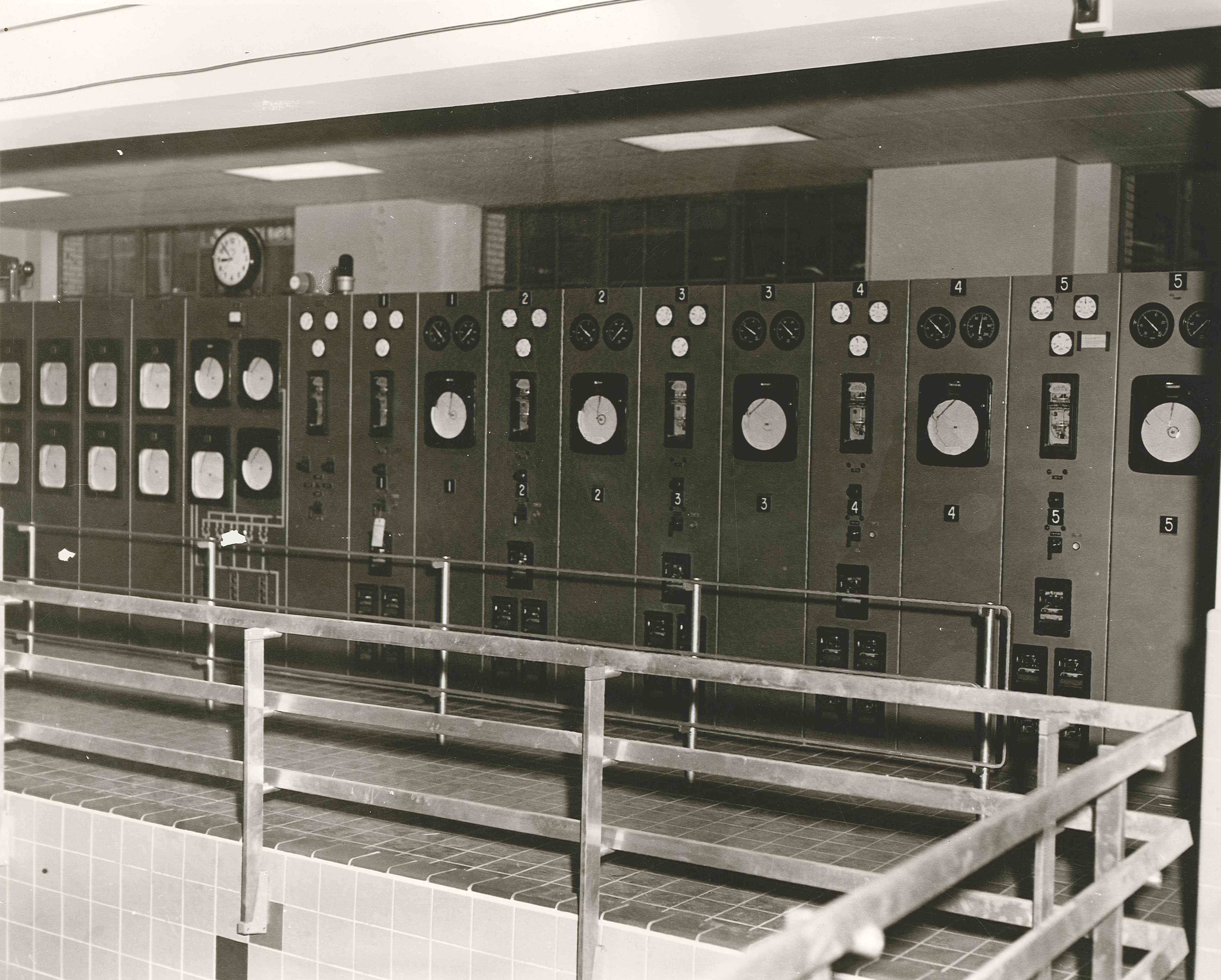
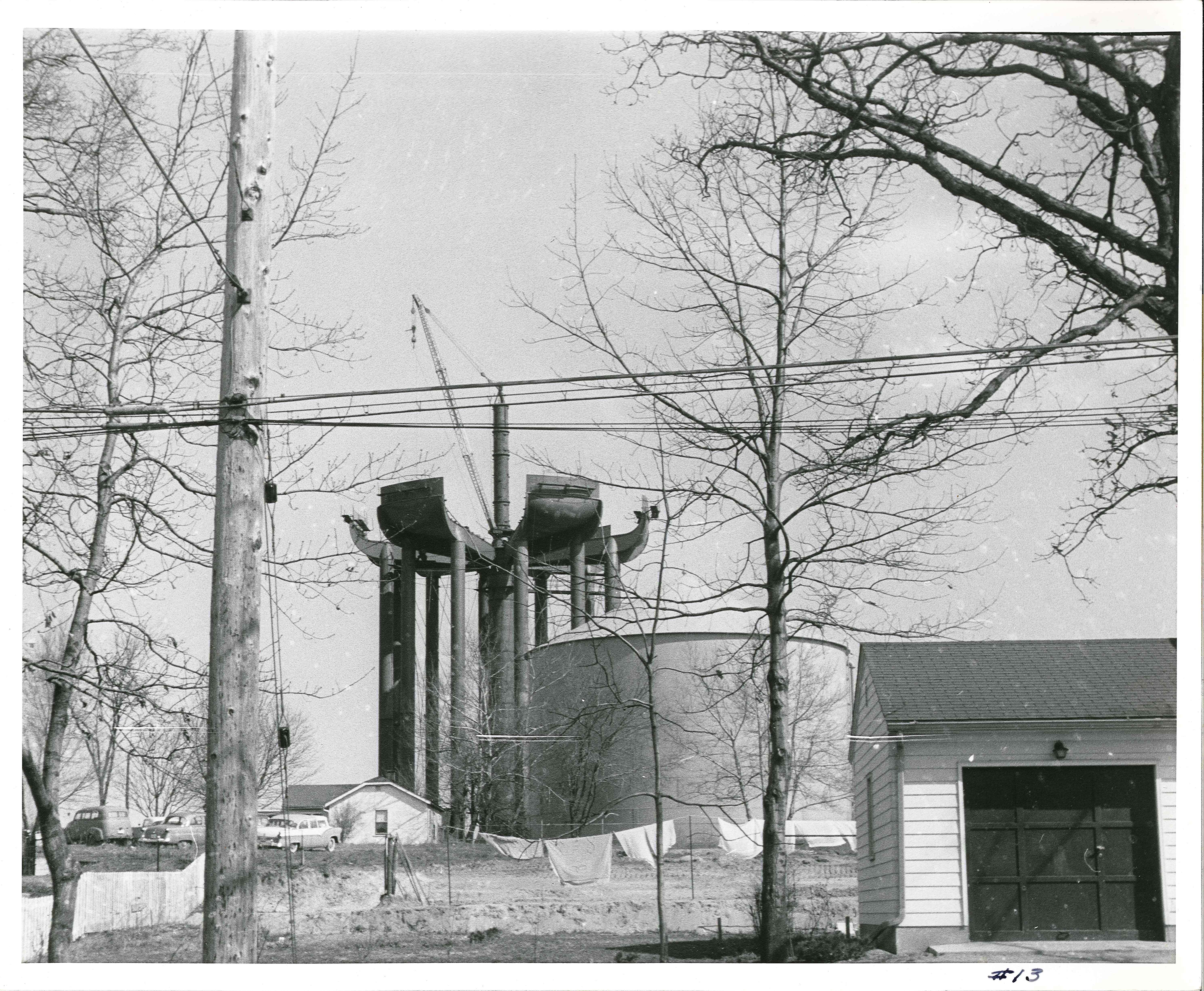
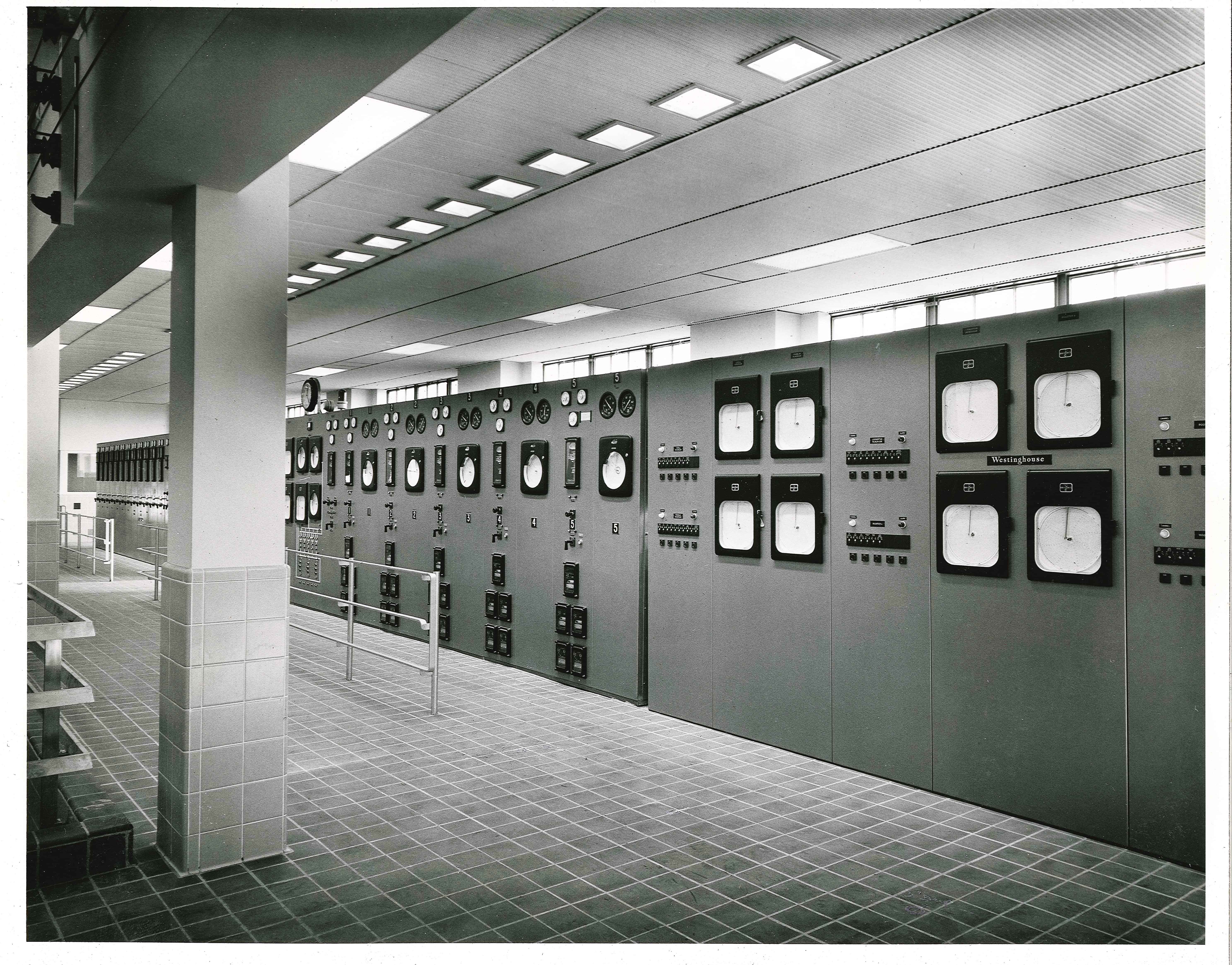
In 1912, the city began pumping water from the Grand River and constructed its first filtration plant along Monroe Avenue. The Monroe Plant underwent several expansions throughout the 1920s and 1930s. A decade later, a pipeline was built to bring water from Lake Michigan to the Monroe Plant. In 1962, the City constructed the Lake Michigan Filtration Plant (LMFP) at its current location along the lakeshore. For several decades, both plants served the city and surrounding communities. In 1992, a major expansion of the LMFP increased treatment capacity to 135 million gallons per day, allowing for the decommissioning of the Monroe Plant.
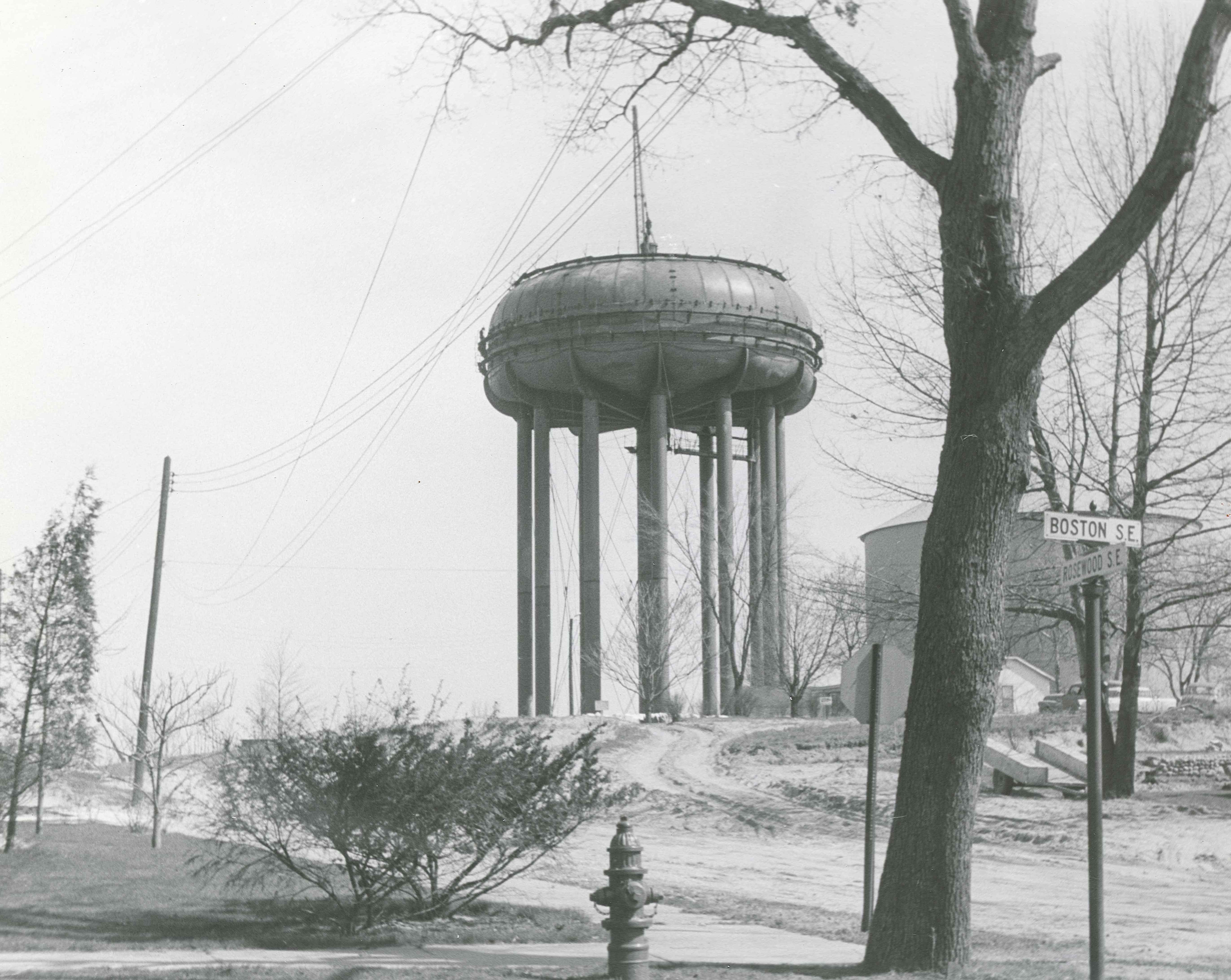
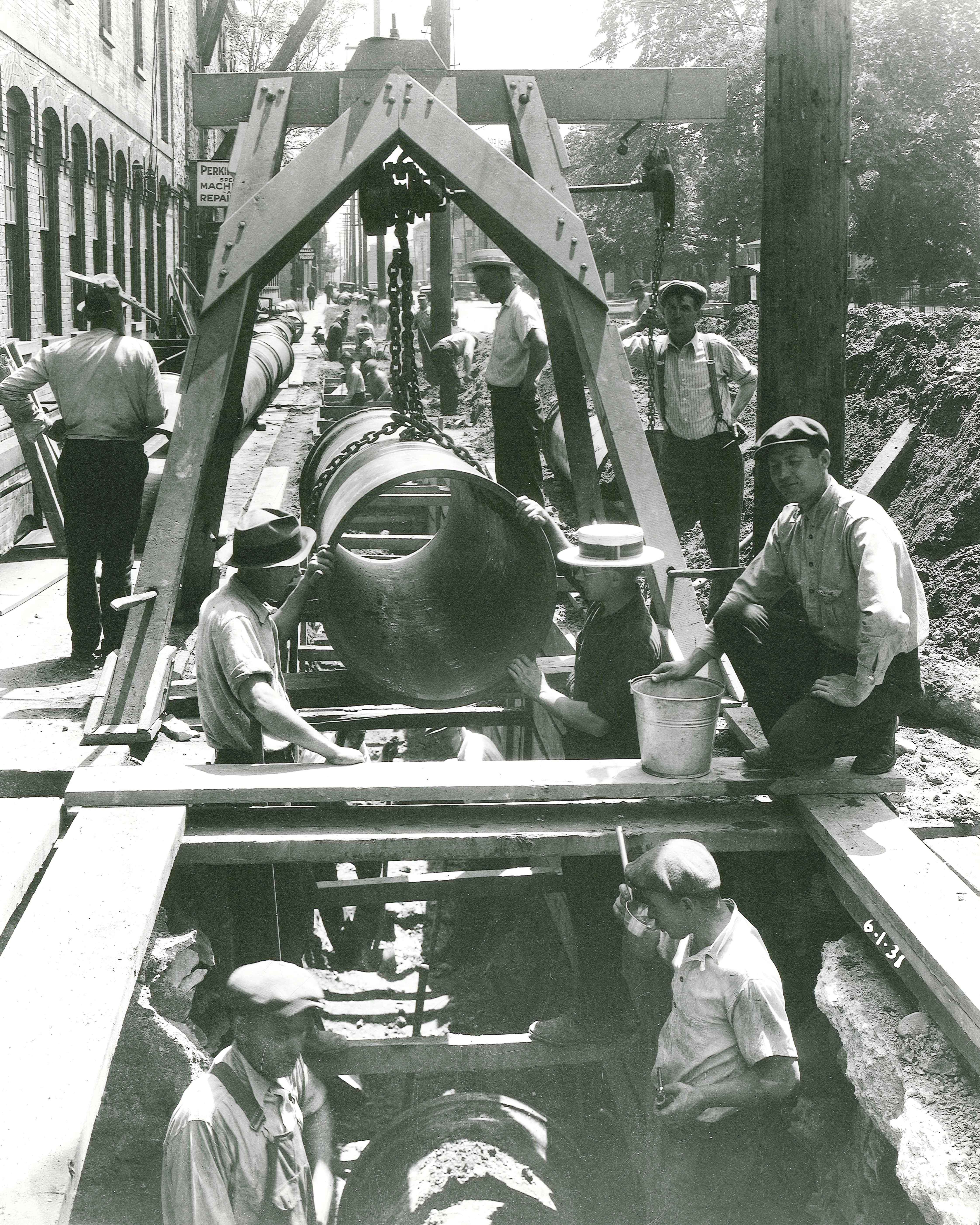
Today, the Grand Rapids Water System stands as a testament to that legacy of progress. With just over 116 dedicated employees, the system delivers water from Lake Michigan through more than 1,300 miles of water mains, supported by 16 storage tanks and 11 pumping stations.
The decision made by voters 150 years ago continues to shape daily life for more than 325,000 people in our community. The Grand Rapids Water System remains committed to providing safe, reliable, and high-quality water service for generations to come.
Photo Gallery